2. Daytime fatigue and cognitive effects
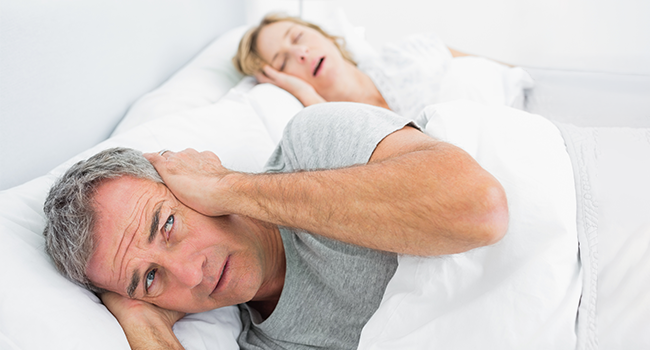
Poor sleep at night leads to predictable daytime problems in the waking hours. Partners often notice:
- fatigue and low energy
- daytime sleepiness
- trouble concentrating
- reduced productivity
Sleep fragmentation reduces the mental sharpness that comes from consolidated rest. Tasks that once felt routine, like focusing on meetings, managing household responsibilities, staying patient with children, may start to feel harder than usual.
3. The emotional and mood symptoms
Sleep disruption isn’t just physical; it impacts emotional well-being, too. Studies show that sleep disturbance from snoring correlates with increased risk of stress and depressive tendencies in partners.4 While not everyone develops mood symptoms, chronic broken sleep can increase vulnerability to stress, anxiety, and low mood.
When sleep improves, many couples report not only better rest but also improved mood and relationship satisfaction, highlighting just how closely sleep and emotional health are connected.
4. Long-term health risks
Sleep isn’t a luxury. It’s essential for keeping the body’s systems in balance. When restorative sleep is interrupted night after night, the consequences go beyond feeling sleepy during the day.
Chronic poor or fragmented sleep has been linked to higher blood pressure and greater risk of heart disease and stroke, even in people without diagnosed sleep disorders.5 These effects are thought to stem from how deep sleep supports regulation of blood pressure, stress hormones, and glucose metabolism.
Left unaddressed, snoring and sleep apnoea can become a shared health issue, not just a nighttime nuisance.